Equality, equity, and justice are sometimes used as interchangeable terms. They don’t mean the same thing. Here’s a practical way to tell the difference from Dr. Oni Blackstock, MD MHS.
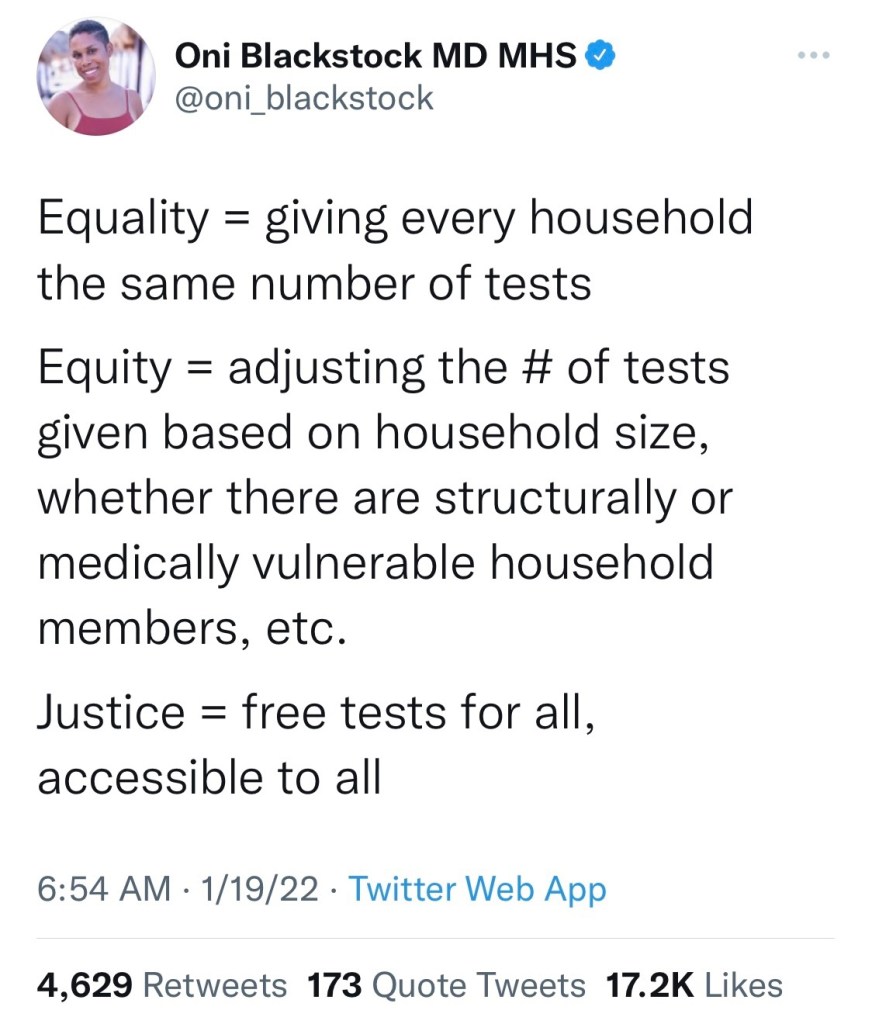

Equality, equity, and justice are sometimes used as interchangeable terms. They don’t mean the same thing. Here’s a practical way to tell the difference from Dr. Oni Blackstock, MD MHS.

Election Night Reflections
Speak plainly about who you are and what you believe in.
Name and claim the policies that work and make people’s lives better.
Lead with your values and relentlessly push back on lies.

If you’re interested in board service, how do you know if you’re ready? What skills position you to be the ideal board member? How do you find the right board?
Last Thursday, Silicon Valley Bank and theBoardlist hosted a virtual salon exploring those questions for women starting on their path to board service. A Seat At The Table: Landing Your First Board Seat featured an expert panel of board directors with diverse professional experience across technology, biotech, and consumer goods. In a conversation moderated by theBoardlist CEO Shannon Gordon, the panelists- Asmau Ahmed, Mandy Fields, and Shehnaaz Suliman gave the audience actionable and inspirational advice for pursuing board service.
Skills assessment emerged as a central theme in the conversation. It’s an important early step for determining board readiness. While women are generally prepared for board service before they even begin looking into opportunities, they may question if their skills align with an organization’s needs. It can be tricky connecting a skillset built over a career with the sometimes nebulous expectations an organization may have for its board of directors. This is especially true for a career path that crosses several fields. Asmau Ahmed used consulting as an example. The key skills consultants often demonstrate in their practice- providing strategic advice, making connections, and ensuring staff have what they need to do their work, are essential for board governance responsibilities.
Once you understand how your skills and experience match to potential board opportunities, follow these three steps to find the right board for you:
Meaningful board service is an expansive experience. When you recognize the value of your skills and expertise, you can cultivate fulfilling board opportunities.
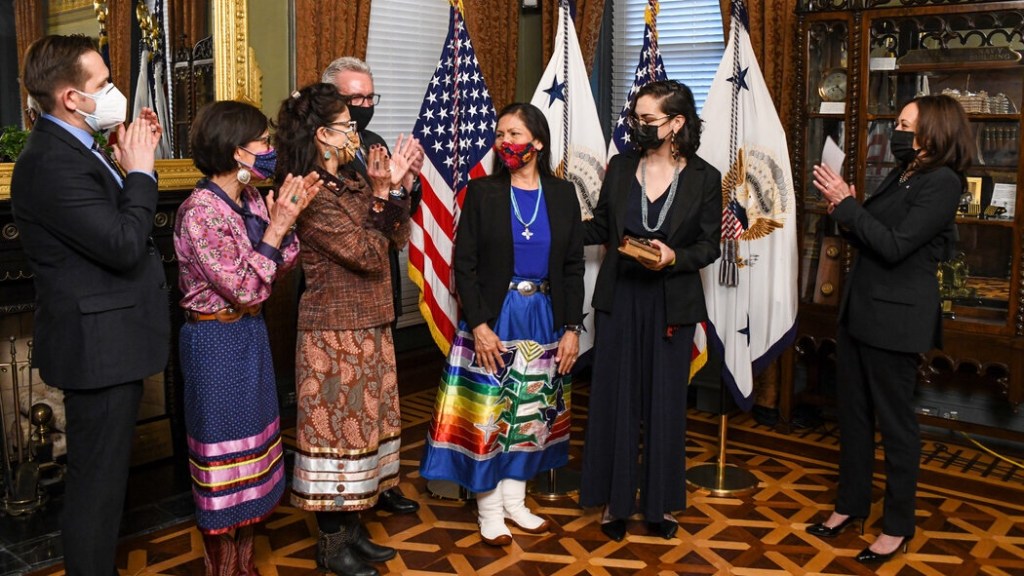
“I ran for lieutenant governor [of New Mexico] in 2014; I ran for Congress in 2018. I just felt like I had an obligation. I wanted to be a leader, and I felt like I could be.”
-U.S. Secretary of the Interior Deb Haaland

Seeding Justice is the new name of the McKenzie River Gathering (MRG) Foundation. To announce the name change, Seeding Justice did something completely refreshing. They made a video. Yes, a video. You may wonder how refreshing a video about a foundation’s name change could be. Well, watch it.
Okay, you watched the video. Seeding Justice’s approach to telling their renaming story is creative and endearing. They turned the video call, which has become an obligatory and tedious element of American pandemic life, into something hopeful and engaging.
The video is effective because the conversations show viewers how deeply the new name connects with people who know the organization well. Seeding Justice is a powerful name. It tells you exactly what the organization does and hopes to do. The mission of Seeding Justice is “to inspire people to work together for justice and mobilize resources for Oregon communities as they build collective power to change the world.” Real people talking about how well the new name fits the organization is a lot more memorable and meaningful than a press release.
Lessons in nonprofit communications from World Central Kitchen

If you want your supporters to know why your work matters, tell them. That’s what World Central Kitchen (WCK) does. WCK isn’t the only organization dedicated to feeding people in times of crisis. They stand out because they do an incredible job of telling their story.
Yes, WCK was founded by chef José Andrés and most organizations don’t have anyone like him on their team. What they do have is the quality of their work and their unique story. A lot of organizations are great at what they do. Where they struggle is communicating why their work matters. That’s one of the many reasons a clear mission is essential. WCK’s mission and vision can be summed up in this statement by chef Andrés: “I hope you’ll dream with us as we envision a world where there is always a hot meal, an encouraging word, and a helping hand in hard times. Thank you for taking this journey with us.” Good, effective storytelling and overall organizational communications flow from mission clarity.
WCK’s social media channels feature compelling stories about real people. The emphasis is on community, connection, and hope. Whether the focus is on someone receiving food or serving food, every story demonstrates the importance of WCK’s work. There is no question about why the organization does what it does. Every post also carries an implied central message and call to action- people are hungry and in need of a hot meal right now, we’re feeding them, and you can help. This simple and effective message follows a basic message development structure:
State the problem– People are hungry and in need of a hot meal right now.
Describe your solution– We’re feeding them.
Make a call to action– You can help by (fill in the blank).
Check out these examples of this powerful strategy in action.


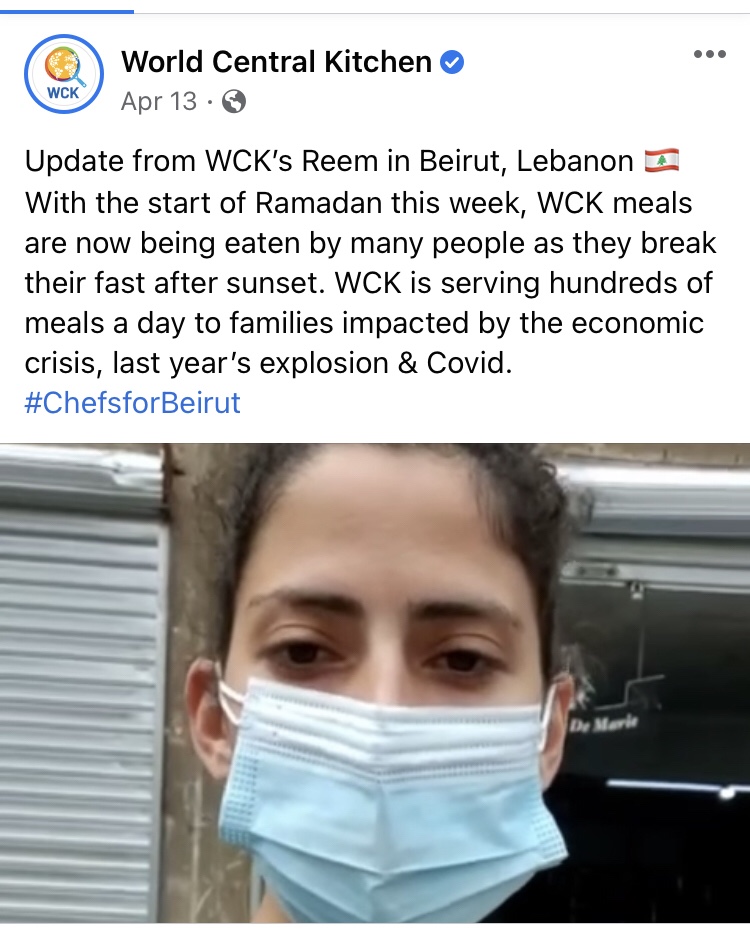
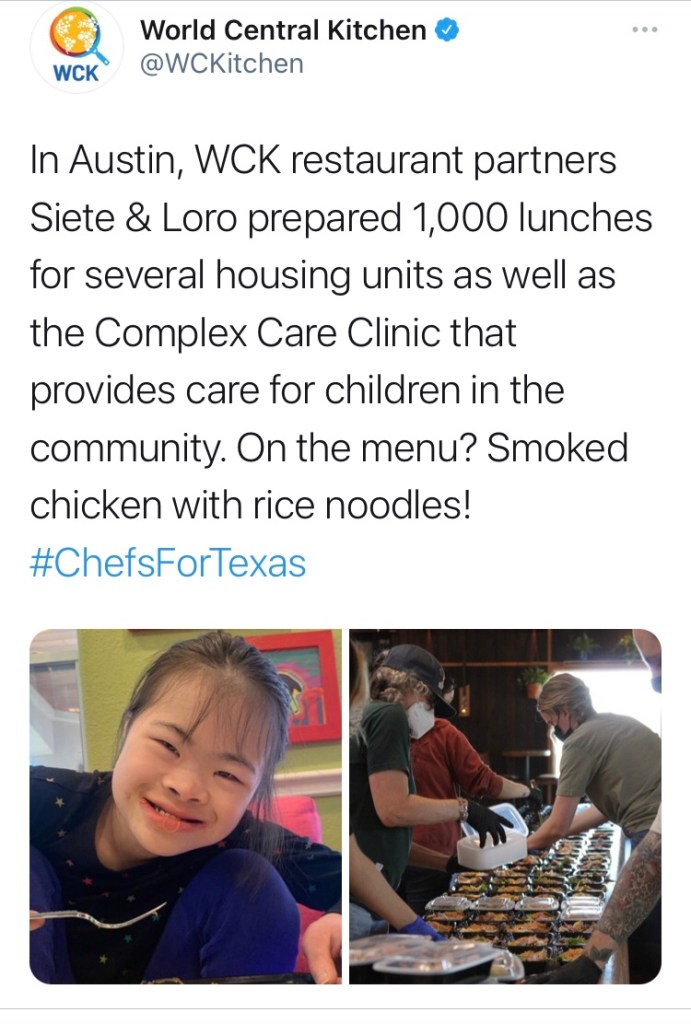

If you want your supporters to know why your work matters, start by telling them. Use these lessons inspired by WCK to get started-
Congressman John Lewis was a joyful warrior. In celebration of his birthday, here is the essay he wrote to be published on the day of his funeral. Every word of this essay is worth reading. It is a call to action and a reminder that even in times of great despair there is hope.
“Ordinary people with extraordinary vision can redeem the soul of America by getting in what I call good trouble, necessary trouble. Voting and participating in the democratic process are key. The vote is the most powerful nonviolent change agent you have in a democratic society. You must use it because it is not guaranteed. You can lose it.”
Congressman John Lewis

“We were frustrated with how the South had been talked about and not considered within the national political landscape. The majority of Black people live in the South. So, if you dismiss the South, you’re dismissing Black people.”
-La Tosha Brown in Marie Claire, November 10, 2020
LaTosha Brown of Black Voters Matter Fund is an expert organizer who along with her colleagues has expanded the universe of what’s possible in American politics. The work of the Black Voters Matter has been critical to the democratic victories for president and U.S. Senate in Georgia. Ms. Brown is a determined joyful warrior driven by an unyielding love for Black people and a deep passion for justice.
The cost of voter suppression is high. We see it in rates of incarceration and early death, the quality of education and access to health care, and the tattered remnants of the social safety net. When candidates are elevated to public office in voter suppressed elections, their votes reflect contempt for the people they never intended to represent.
Ms. Brown and her team’s organizing shows us what people power looks like. “Since 2016, Black Voters Matter has reached more than 7 million voters through grassroots-level outreach, campaigning and organizing. This year, their efforts were tested by the pandemic, which disproportionately hit Black communities across the country and abetted voter suppression in the form of closed precincts, longer lines and purged voting rolls.” The magnitude of what Black Voters Matter has accomplished cannot be overstated. No one changes the world alone.

2021 is going to require a collective change of consciousness and new ways of operating in the world. That change is possible and it will be hard. Who will be the helpers and the shepherds to share the vision of who we can be and keep the momentum going for better days for all of us? Some of them are already out in the world doing the work. Some of us may be among them. It’s time to look for the helpers, help them, and join them.
“The pandemic will end not with a declaration, but with a long, protracted exhalation. Even if everything goes according to plan, which is a significant if, the horrors of 2020 will leave lasting legacies. A pummeled health-care system will be reeling, short-staffed, and facing new surges of people with long-haul symptoms or mental-health problems. Social gaps that were widened will be further torn apart. Grief will turn into trauma. And a nation that has begun to return to normal will have to decide whether to remember that normal led to this. “We’re trying to get through this with a vaccine without truly exploring our soul,” said Mike Osterholm, an epidemiologist at the University of Minnesota.”
Where The Pandemic Will Take America in 2021
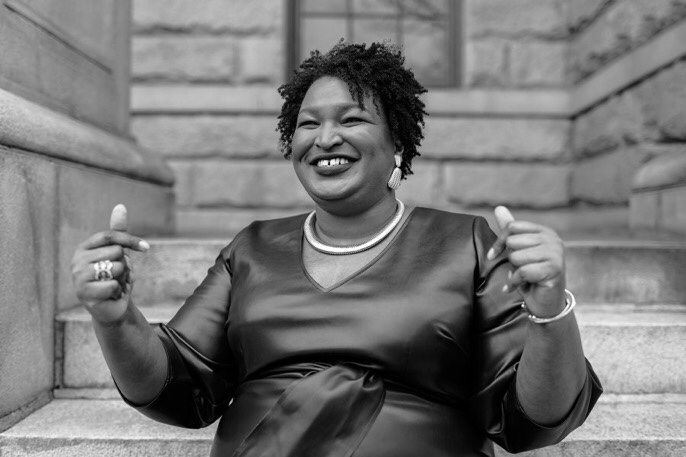
“Invest in people who don’t look like the success that you’re used to” is a brilliant piece of advice. It’s easy to overlook or dismiss people whose skills and experience don’t match up with the traditional and sometimes narrow markers of accomplishment. That thoughtful reflection by Stacey Abrams is among the many ideas to study and savor in this timely interview with Rebecca Traister in The Cut. Abrams also details the strategic organizing framework at the center of the 10 year effort to turn the tide in Georgia: voter engagement and education, building statewide infrastructure, and developing a network of funders.
Moving Georgia away from voter suppression to the practice of free and fair democratic process required a movement. To that end, Abrams first launched Fair Fight to protect voting rights and election integrity. Then came the New Georgia Project, which was started to sign-up people for the Affordable Care Act and later morphed into a voter registration organization. After establishing both groups, Abrams handed the reins over to other leaders. Fair Fight and the New Georgia Project became part of a growing coalition of organizers and organizations deeply committed and connected to communities across the state, including- the Black Voters Matter Fund, Asian Americans Advancing Justice- Atlanta, GALEO, U.S. Representative-elect Nikema Williams, Helen Butler, Rebecca DeHart, Dubose Porter, and the Georgia Democratic Party.
Abrams’ story is inspiring and powerful. “In the wake of the election, my mission was to figure out what work could I do, even if I didn’t have the title of governor,” she told Traister. No one would have blamed her for walking away from politics after losing the 2018 race for Georgia governor. The election was tainted by aggressive and blatant voter suppression. Yet her vision didn’t waver. Stacey Abrams never let other people’s assumptions dictate or define what was possible.

